Heat and faster clay conditions shaped Day 4 at Roland-Garros.
Roland-Garros Day 4 delivered one of the most important lessons in tennis analysis: clay is not always the same surface.
Hot conditions in Paris made the courts play faster, with temperatures topping 30°C. Reuters reported that the heat affected the way players managed rallies, movement and shot selection, making adaptation one of the biggest themes of the day.
That matters for fans because a tennis match is never just about ranking. Surface speed, weather, physical workload and matchup style can completely change how a player performs.
Swiatek Advances, But the Performance Deserves a Closer Look
Iga Swiatek moved into the third round with a 6-2, 6-3 win over Sara Bejlek, but the scoreline does not tell the full story.
Reuters described the performance as erratic, noting that Swiatek committed 38 unforced errors while dealing with Bejlek’s defensive resistance and the high-bouncing ball.
That is important because Swiatek remains one of the best clay-court players in the world, but even dominant players can show warning signs. Her movement and point construction are still elite, but her serve rhythm and shot selection should be watched closely in the next round.
Rybakina’s Exit Changes the Draw
The biggest upset of the day came when Yuliia Starodubtseva defeated Elena Rybakina in three sets. Reuters reported the result as 3-6, 6-1, 7-6, one of the biggest surprises of the tournament so far.
For the women’s draw, this is a major shift. Rybakina’s power game made her one of the most dangerous players in faster conditions, but her exit opens the door for other contenders.
For fans, the takeaway is clear: one upset at a Grand Slam can change the entire path of a tournament.

Djokovic Gets Tested
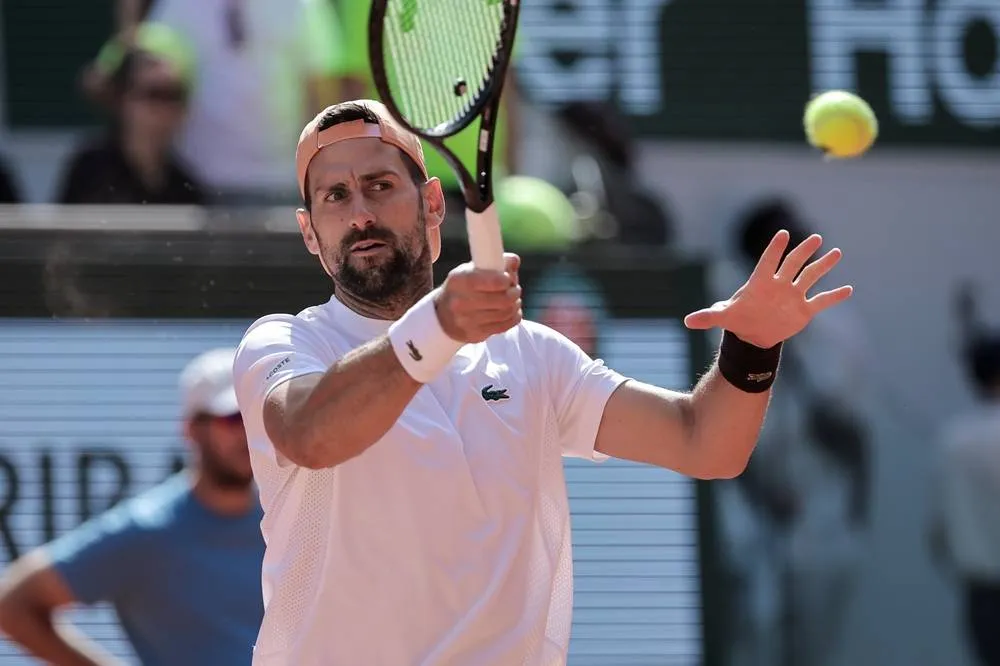
Novak Djokovic also became part of the Day 4 conversation. The Guardian’s live coverage reported that Djokovic advanced after being pushed in a four-set match by French wildcard Valentin Royer.
That type of result matters because Djokovic’s experience is unmatched, but match conditions can still create volatility. A local opponent, a loud crowd and faster clay can make even a heavily experienced player work harder than expected.
The lesson is not to doubt Djokovic because of one difficult match. The lesson is to understand that Grand Slam tennis is shaped by context.
Zverev Remains a Player to Watch
Alexander Zverev entered Day 4 as one of the most important men’s players to follow. Reuters previewed his second-round matchup with Tomas Machac and noted that Zverev was still chasing his first Grand Slam title after a strong opening-round performance.
Zverev’s game can translate well to clay when his serve is working and his backhand controls rallies. In faster conditions, his ability to win shorter points becomes even more important.
What Fans Should Learn From Day 4
The biggest takeaway from Roland-Garros Day 4 is that analysis must go beyond names.
Fans should pay attention to:
- Court speed.
- Heat and weather.
- Match duration.
- Unforced errors.
- Serve consistency.
- Return depth.
- Physical recovery between rounds.
These factors often explain why a player wins comfortably, survives a scare or loses unexpectedly.
At Roland-Garros, the surface is part of the matchup. Heat, bounce and court speed can matter as much as ranking.
Final Analysis
Day 4 at Roland-Garros gave fans several important signals. Swiatek advanced but showed areas to monitor. Rybakina’s loss changed the women’s draw. Djokovic survived a tougher test than expected. Zverev remained a key contender to track.
Most importantly, the conditions changed the way matches were played.
For fans looking for deeper tennis analysis, the message is simple: do not analyze Roland-Garros only by ranking or reputation. The better read comes from combining form, surface, weather, workload and matchup style.